Are you ready to take control of your heart health with ease and precision? Choosing the best wearable blood pressure monitor in 2025 can transform how you track your vital signs every day.
Imagine having a device that fits seamlessly into your lifestyle, giving you accurate readings anytime, anywhere—no more guesswork, no more hassle. You’ll discover the top wearable monitors that combine comfort, reliability, and cutting-edge technology to help you stay on top of your blood pressure like never before.
Keep reading to find the perfect match for your health needs and make your wellness journey smarter and simpler.
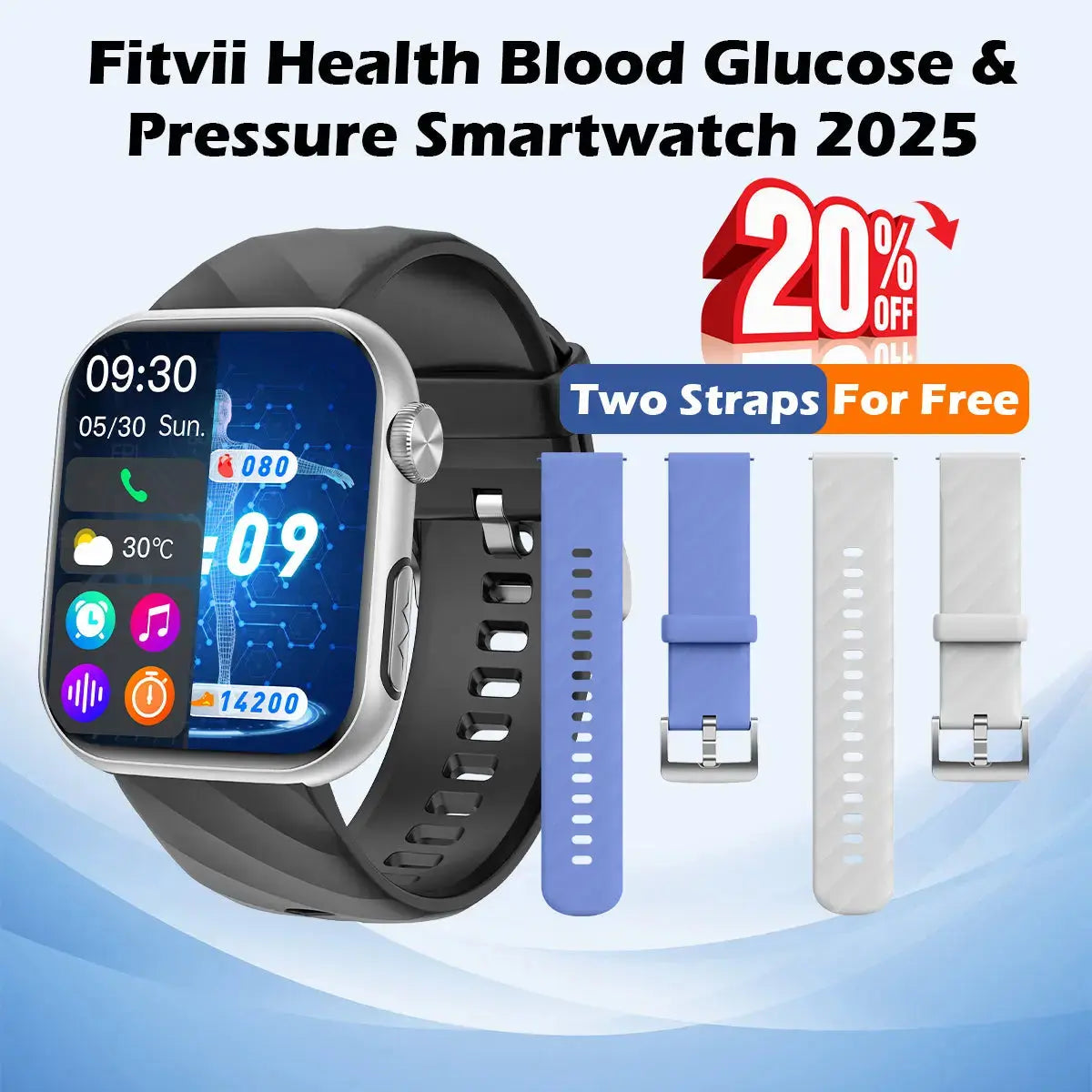
Credit: fitvii.com
Top Wearable Blood Pressure Monitors
Wearable blood pressure monitors blend convenience with health tracking. They let users check their blood pressure anytime. These devices help detect changes early and support better heart health management.
Choosing the right monitor depends on accuracy, ease of use, and features. Here we explore three top models in 2025 that stand out for their performance and reliability.
Omron Heartguide Features
The Omron HeartGuide is a wrist-worn monitor with clinical accuracy. It uses an airbag inside the strap to measure blood pressure. This design offers comfort and discreet use throughout the day.
Its readings are reliable and consistent, suitable for managing hypertension. The device also tracks daily activity and sleep, giving a fuller picture of health. Users can sync data with a smartphone app for easy monitoring.
Withings Bpm Connect Overview
Withings BPM Connect is a compact, wireless blood pressure monitor. It fits comfortably on the upper arm for precise readings. The device connects to a mobile app for data tracking and sharing.
It offers quick measurements and stores unlimited readings. The monitor is easy to use and has a clear display. Users appreciate its portability and long battery life.
Garmin Index Bpm Highlights
The Garmin Index BPM combines blood pressure monitoring with heart rate tracking. It features a sleek design and high-resolution color display. This device syncs with Garmin’s health app for detailed insights.
It offers multiple user profiles, ideal for families. The monitor provides fast readings and stores data securely. Its smart notifications help keep users informed about their health trends.

Credit: www.nytimes.com
Accuracy Factors
Accuracy matters most in wearable blood pressure monitors. Reliable readings help track health and guide decisions. Several factors affect accuracy. Understanding these helps choose the best device for 2025.
Upper Arm Vs Wrist Monitors
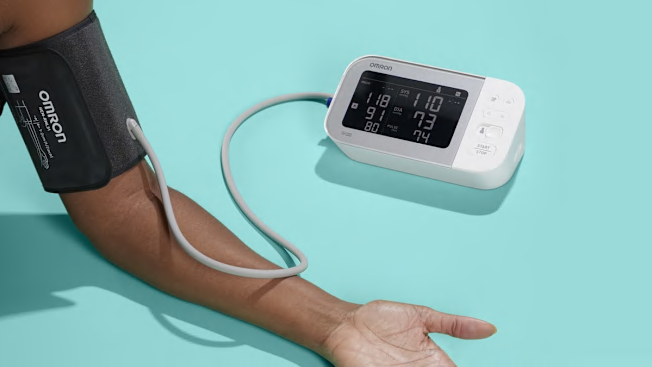
Upper arm monitors usually give more precise readings. They measure blood pressure closer to the heart. Wrist monitors offer more comfort and portability. Yet, wrist devices can be less consistent. Movement and improper wrist position may cause errors. For accuracy, upper arm monitors often outperform wrist types.
Importance Of Fda Clearance
FDA clearance means a device meets safety and accuracy rules. The FDA tests medical devices before approval. Choosing an FDA-cleared monitor ensures reliable results. Non-cleared devices may lack quality control. For trustworthy measurements, pick monitors with official FDA approval.
Clinical Validation Standards
Clinical validation confirms a device’s accuracy through studies. Organizations test monitors against medical standards. The American Medical Association lists validated devices. Devices passing these tests show consistent accuracy. Validation helps users trust the monitor’s readings.
Proper Usage Techniques
Correct use affects reading accuracy greatly. Upper arm cuffs must fit snugly around the arm. Wrist monitors need the wrist held at heart level. Avoid movement and speaking during measurement. Follow device instructions carefully for best results.
Technology Trends In 2025
Wearable blood pressure monitors are evolving rapidly in 2025. New technologies improve accuracy and user comfort. These devices now blend medical precision with daily convenience. Users can track health trends more easily than before. The following trends highlight key innovations shaping these monitors this year.
Airbag-based Wrist Sensors
Airbag technology is now common in wrist monitors. Tiny airbags inflate gently to measure blood pressure accurately. This method reduces discomfort compared to traditional cuffs. It allows continuous monitoring without interrupting daily activities. The small airbags fit snugly, enhancing sensor contact and data quality.
Integration With Health Apps
Wearable monitors connect seamlessly to smartphones and tablets. Health apps collect and display blood pressure readings in real time. Users can track patterns over days or months easily. Some apps provide alerts for abnormal readings. This integration supports better health decisions and doctor consultations.
Battery Life Improvements
Battery life has improved significantly in 2025 models. New low-power sensors and efficient chips extend device use. Many monitors now last several days on a single charge. This reduces the need for frequent charging and increases reliability. Longer battery life makes wearables more practical for daily use.
Buying Tips
Choosing the best wearable blood pressure monitor for 2025 involves careful thought. This device helps track your health daily. Picking the right one means balancing cost, comfort, and technology. Here are key tips to guide your choice.
Price And Availability
Set a budget before starting your search. Prices vary widely from affordable to premium models. Check stores nearby and online shops for deals. Some devices offer discounts or free delivery. Consider the cost of replacement parts like batteries or straps. Availability can affect how soon you get your monitor. Choose a model easy to find and service locally.
User Comfort And Design
Wearable monitors must feel good on your wrist or arm. Choose lightweight and adjustable designs for daily use. Soft straps prevent skin irritation during long wear. Look for clear displays that show readings easily. A discreet design helps if you wear it at work or social events. Comfort encourages consistent use, improving your health tracking.
Data Tracking And Sharing
Modern monitors connect to smartphones via apps. This feature stores your readings over time. Choose devices that sync data automatically. Easy sharing options help send information to doctors or family. Some apps offer insights or reminders to check your blood pressure. Good data tracking supports better health decisions and doctor visits.
Expert Recommendations
Choosing the best wearable blood pressure monitor involves more than just features. Expert advice helps find a device that is accurate and reliable. Professionals in the medical field share insights to guide smart choices. Their recommendations ensure users track their health effectively and safely.
Cardiologists’ Preferred Brands
Cardiologists often recommend brands with proven accuracy. Omron stands out for consistent clinical validation. Their HeartGuide model is popular for wrist-based monitoring. It offers comfort and precise readings. Other trusted brands include Withings and Garmin. These brands combine technology with ease of use. Doctors value devices that support patient health management.
American Heart Association Advice
The American Heart Association stresses accuracy and FDA clearance. They advise choosing monitors tested by independent labs. Wrist monitors must be used correctly, with the wrist at heart level. Upper arm monitors are generally more accurate. The AHA encourages regular device validation and proper technique. Reading instructions carefully improves measurement reliability.
When To Consult A Professional
Wearable monitors help track blood pressure but do not replace doctors. Consult a healthcare professional if readings are consistently high or low. Seek advice for symptoms like dizziness or chest pain. Regular check-ups ensure proper diagnosis and treatment. Professionals can interpret data and adjust care plans. Combining devices with medical guidance offers the best results.
Credit: www.consumerreports.org
How Affuno Can Help You with Best Wearable Blood Pressure Monitor 2025
Learning More About Wearable Blood Pressure Monitors
Understanding the best wearable blood pressure monitor for 2025 goes beyond just picking a device. It’s important to explore how accuracy factors affect readings and stay updated on technology trends shaping these tools. Practical learning can come from comparing upper arm monitors with wrist-based options, as discussed earlier, to see which suits your lifestyle and health needs better.
At Affuno and Affpilot, our approach focuses on clarity and real-world experience—helping you navigate buying tips and expert recommendations with confidence. Taking time to research and even track your readings over several days can build your familiarity with the device’s performance.
- Consider how consistent the device’s accuracy is across different conditions.
- Stay informed about the latest features emerging in 2025 models.
- Use step-by-step guides to ensure proper device use for reliable results.
If questions arise, reaching out to resources like homerohub.com/ can provide straightforward advice grounded in well-researched facts, helping you make smart decisions without the fluff.
Frequently Asked Questions
What Is The Best Home Blood Pressure Monitor 2025?
The best home blood pressure monitor for 2025 is the Omron HeartGuide. It offers high accuracy, comfort, and FDA clearance for reliable readings.
What Is The Most Accurate Wearable Blood Pressure Monitor?
The Omron HeartGuide is the most accurate wearable blood pressure monitor. It offers clinical accuracy, comfort, and FDA clearance for reliable readings.
What Blood Pressure Monitor Do Cardiologists Recommend?
Cardiologists recommend FDA-cleared upper arm monitors like Omron Platinum for accuracy. Wearable options like Omron HeartGuide offer convenience with reliable readings. Proper cuff placement and technique ensure precise results. Choose clinically validated devices for consistent blood pressure monitoring at home.
What Is The 80 40 Rule For Blood Pressure Cuff?
The 80/40 rule for blood pressure cuffs means the cuff length should cover 80% of the arm circumference, and its width should be 40% of that circumference. This ensures accurate blood pressure readings by fitting the arm properly without being too tight or loose.
Conclusion
Choosing the best wearable blood pressure monitor in 2025 helps you track your health easily. Devices with FDA clearance offer more reliable and accurate readings. Wrist monitors provide convenience, but upper arm models often give better precision. Remember to follow the correct usage steps for the best results.
Regular monitoring supports better health decisions and doctor visits. Always consult your healthcare provider for personalized advice. Stay informed and pick a monitor that fits your lifestyle and needs well.