Are you curious about how your smartwatch or fitness band can keep track of your blood pressure? Understanding how wearables measure this vital sign is more important than ever, especially if you want to stay on top of your health without frequent visits to the doctor.
But can these sleek devices really give you accurate readings? You’ll discover the technology behind wearable blood pressure monitors, the challenges they face, and how you can use them wisely to get the most reliable information. Keep reading to learn what’s real, what’s still developing, and how to make these tools work for your health journey.
Blood Pressure Basics
Blood pressure is a key health indicator. It shows how hard your heart pushes blood through your arteries. This pressure helps deliver oxygen and nutrients to your body.
Understanding blood pressure helps track heart health and detect problems early. It involves two main numbers: systolic and diastolic pressure. These numbers reflect different phases of your heartbeat.
What Blood Pressure Indicates
Systolic pressure measures the force when your heart beats. Diastolic pressure shows the force when your heart rests between beats. Both numbers are important for a full picture.
High blood pressure means your heart works harder than normal. This can lead to heart disease, stroke, and other health issues. Low blood pressure may cause dizziness or fainting.
Traditional Measurement Methods
The most common method uses a cuff wrapped around your upper arm. The cuff inflates to stop blood flow, then slowly deflates. A gauge measures the pressure during this process.
This method is reliable and widely used by doctors. It requires a quiet setting and proper technique for accurate results. Regular checks help maintain good heart health.
Wearable Technology For Blood Pressure
Wearable technology for blood pressure offers a new way to track heart health. These devices allow continuous monitoring without bulky equipment. They help users observe their blood pressure throughout the day. This can reveal patterns missed during doctor visits.
Wearables use advanced sensors and smart algorithms. They measure blood pressure by detecting subtle changes in the body. This technology aims to make monitoring easier and more accessible. Yet, accuracy varies among different devices.
Types Of Wearable Devices
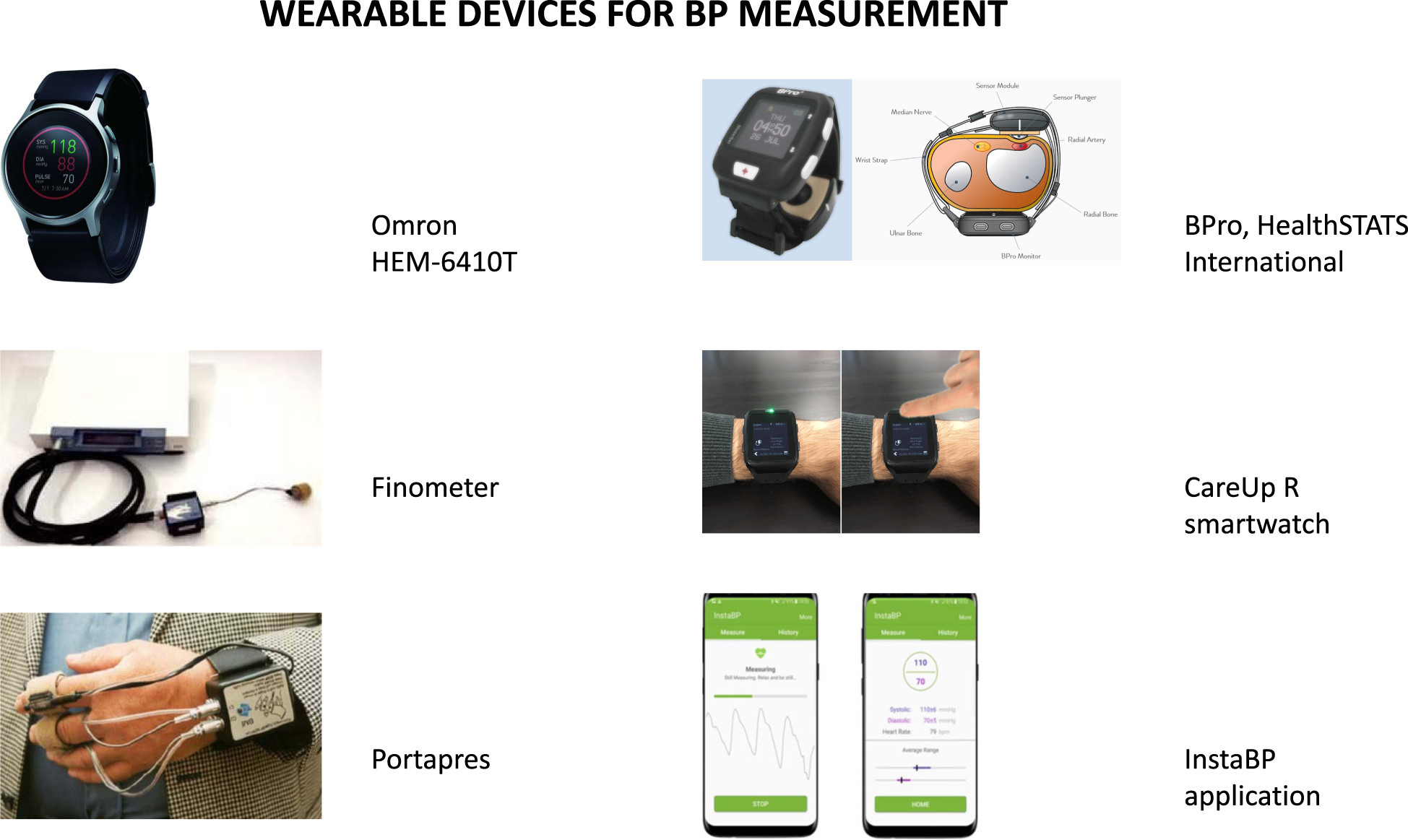
Wearable devices for blood pressure come in several forms. Wristbands and smartwatches are the most common. Some use inflatable cuffs similar to traditional monitors. Others rely on optical sensors without cuffs, called cuffless devices.
Wrist-worn cuffs inflate to squeeze the artery and measure pressure. Optical devices shine light through the skin to estimate blood flow. Each type has pros and cons related to comfort and accuracy.
Sensors Used In Wearables
Photoplethysmography (PPG) sensors are popular in wearables. They detect blood volume changes using light. Electrodes measure electrical signals from the heart, known as ECG sensors. Combining PPG and ECG helps calculate blood pressure more precisely.
Pressure sensors inside inflatable cuffs directly measure artery pressure. Some devices use accelerometers to reduce motion errors. These sensors work together to provide blood pressure estimates in real time.
Measuring Techniques In Wearables
Wearable devices use different techniques to measure blood pressure without bulky cuffs. These methods aim to provide continuous, comfortable monitoring. They rely on sensors and algorithms to estimate blood pressure from body signals.
Understanding these measuring techniques helps users know how wearables track blood pressure. Each method has unique technology and challenges, balancing accuracy and convenience.
Cuffless Measurement Methods
Cuffless methods avoid the traditional arm cuff. They use sensors placed on the wrist or finger. These sensors detect signals related to blood flow and pressure. The data is then processed by software to estimate blood pressure values. These methods make wearables more user-friendly and less intrusive.
Pulse Transit Time Approach
This approach measures the time it takes for a pulse wave to travel between two points in the body. Usually, sensors detect the heartbeat and pulse at different spots. The pulse transit time is inversely related to blood pressure. Faster pulse waves often mean higher blood pressure. Wearable devices use this data to calculate blood pressure continuously.
Optical Sensors And Ppg
Optical sensors use light to monitor blood flow in the skin. Photoplethysmography (PPG) measures changes in blood volume by shining light into the skin. The sensor detects how much light is absorbed or reflected. These changes help estimate heart rate and blood pressure. PPG is common in smartwatches and fitness bands.
Accuracy Challenges
Wearable devices face several challenges in measuring blood pressure accurately. These challenges affect the reliability of the readings. Understanding these issues helps users trust and use the devices better.
Impact Of Motion And Position
Motion disrupts sensors and causes unstable readings. Movements like walking or wrist twisting interfere with the signal. Position matters too. The wrist must stay at heart level for accurate results. Incorrect positioning leads to false high or low values. Many wearables work best when the user stays still.
Calibration Difficulties
Wearables need regular calibration to match true blood pressure. Calibration links the device to a standard arm cuff monitor. Without frequent calibration, devices lose accuracy quickly. Many users find it hard to calibrate often. This step requires discipline and access to traditional monitors.
Systematic Measurement Bias
Wearables often show bias in readings. They tend to overestimate low blood pressure values. They also underestimate high blood pressure levels. This bias can mislead users about their health. Researchers continue to study ways to reduce these errors. Until then, users should treat wearable results as estimates.
Regulatory And Standardization Issues
Wearable devices that measure blood pressure face many regulatory and standardization challenges. These challenges affect their reliability and acceptance in healthcare. Regulations ensure devices meet safety and accuracy requirements. Standards help compare and validate different products. Without clear rules, users may get inconsistent or incorrect readings. This section explores key regulatory issues for wearable blood pressure monitors.
Fda Clearance Importance
The FDA clearance shows a device meets safety and effectiveness standards. It is a sign that the product has undergone testing and review. Many wearable blood pressure devices lack FDA approval. Without clearance, these devices cannot be used for clinical diagnosis. FDA approval helps users trust the accuracy of wearable monitors. It also guides manufacturers to maintain quality and proper labeling.
Need For New Validation Standards
Current validation standards focus on traditional blood pressure cuffs. Wearable devices use different technology, such as optical sensors. These new methods need separate validation rules. Existing standards do not fully cover cuffless, wrist-based monitors. New guidelines must address movement, signal quality, and calibration issues. Clear standards will improve device accuracy and user safety. They will also encourage innovation in wearable health tech.
Medical Device Certifications
Medical device certifications, like CE marking, show compliance with regional rules. These certifications require testing for accuracy and safety. They help devices enter global markets legally. Certifications also protect users by ensuring minimum quality levels. Wearable blood pressure monitors must obtain proper certifications before sale. This process builds trust among consumers and healthcare providers. Certified devices are more likely to be recommended by doctors.
Credit: www.nature.com
When Wearables Are Useful
Wearable blood pressure monitors offer unique advantages in daily health tracking. While they may not replace clinical devices, their value lies in specific situations. Understanding when wearables are useful helps users maximize their benefits for better health awareness.
Home Monitoring Benefits
Wearables allow easy blood pressure checks at home. Users can measure anytime without visiting clinics. This convenience helps detect changes early. Regular home monitoring can improve health management. It reduces the stress of clinical visits. Wearables encourage consistent tracking, which is key for many people.
Tracking Blood Pressure Trends
Wearables collect data over time. This helps identify patterns and trends in blood pressure. Users and doctors can see how pressure changes during the day. Trend tracking reveals effects of lifestyle or medication. It supports better decision-making for health care. Long-term data offers insights beyond single readings.
Situations Favoring Wearable Use
Wearables suit people needing frequent checks without hassle. They help those who want to monitor blood pressure during activities. Some models with medical clearance provide reliable readings. Wearables assist in catching unusual spikes or drops quickly. They work well for people managing hypertension at home. Ideal for users who prefer non-invasive, easy tools.
Improving Wearable Accuracy
Improving the accuracy of wearable blood pressure devices is essential for reliable health tracking. These devices use sensors and algorithms to estimate blood pressure without traditional cuffs. Accuracy depends on many factors beyond the technology itself. Users play a key role in ensuring the device provides consistent and trustworthy readings.
Proper Usage Techniques
Wearing the device correctly affects measurement accuracy. Place the wearable snugly on your wrist or arm, following the manufacturer’s guidelines. Keep your wrist at heart level during measurement. Avoid moving or talking while the device takes readings. Take measurements at regular times to track trends better.
Consistent Calibration
Calibration aligns the wearable’s readings with standard blood pressure monitors. Perform calibration regularly, as recommended by the device maker. Use a traditional cuff monitor to check and adjust the wearable device. Skipping calibration can cause inaccurate or misleading results. Consistent calibration helps maintain reliable data over time.
Choosing Certified Devices
Select devices that have passed certification tests for accuracy. Look for FDA clearance or CE marks to ensure quality. Certified devices meet safety and performance standards. Non-certified products may offer less reliable readings. Investing in approved wearables builds trust in your health monitoring routine.
Credit: jacobsschool.ucsd.edu
Recommendations For Users
Using wearable devices to measure blood pressure offers convenience and quick access to health data. Users should follow some key recommendations to get the best results. These tips help improve accuracy and ensure safe use of the devices. Understanding the limits and working with professionals makes wearable blood pressure monitoring more effective.
Consulting Healthcare Professionals
Always talk to your doctor before relying on a wearable device for blood pressure. Healthcare professionals can guide you on how to use the device properly. They help interpret the results and decide if the device suits your health needs. Regular check-ups remain important for accurate diagnosis and treatment.
Combining Wearables With Traditional Monitors
Wearable devices work best when used alongside traditional blood pressure monitors. Traditional cuffs provide more precise readings for clinical decisions. Use wearables to track trends and daily changes at home. This combination gives a fuller picture of your blood pressure over time.
Limitations To Keep In Mind
Wearable blood pressure monitors have limits in accuracy and reliability. Movement and poor fit can affect the readings. Devices may need frequent calibration to stay accurate. They are not yet a full substitute for professional equipment. Use them mainly for general monitoring, not for diagnosing or treating conditions.
Future Of Wearable Blood Pressure Monitoring
The future of wearable blood pressure monitoring holds exciting possibilities. These devices aim to provide continuous, convenient health tracking. Advances in technology will improve accuracy and usability. More people could manage their blood pressure daily, without bulky equipment. Innovation and research guide this progress toward better health tools.
Emerging Technologies
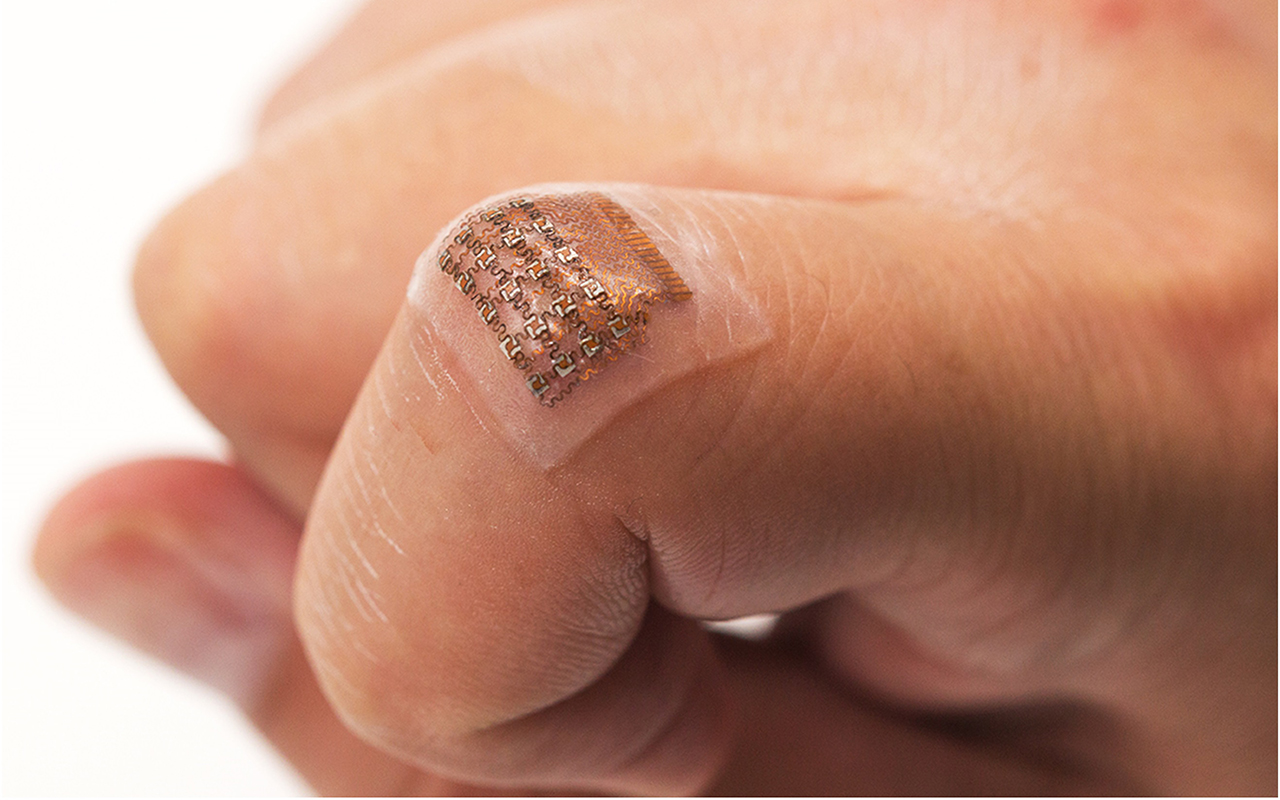
New sensors use light and sound to detect blood flow. Optical sensors measure pulse wave velocity for pressure estimates. Some wearables combine multiple sensors to improve readings. Flexible electronics allow comfortable, long-term skin contact. Artificial intelligence helps analyze data for trends and alerts. These technologies work together to create more reliable devices.
Research And Development Trends
Scientists focus on improving sensor accuracy during movement. Calibration methods are evolving to reduce user effort. Battery life and device size continue to shrink. Studies test wearables in various real-life conditions. Collaboration between tech companies and healthcare experts grows. These trends push wearables closer to clinical standards.
Potential Clinical Applications
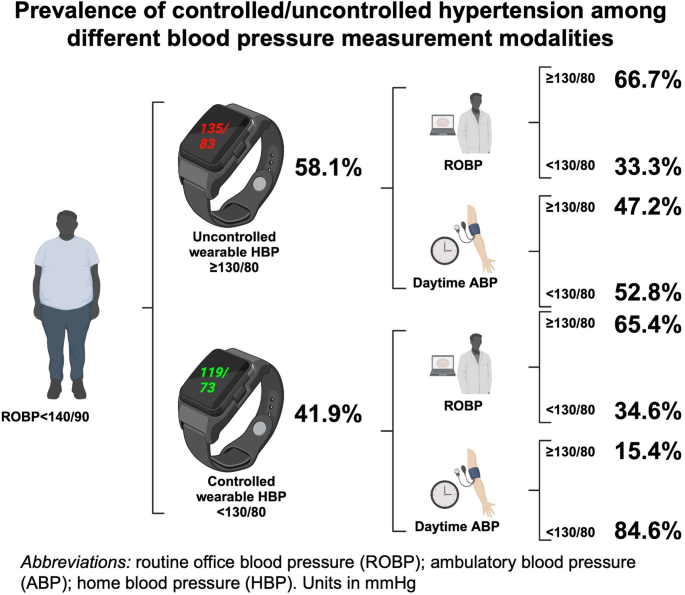
Wearables may assist in early detection of hypertension. Continuous monitoring can reveal blood pressure patterns unseen by spot checks. Doctors could use data to personalize treatment plans. Remote patient monitoring may reduce hospital visits. These applications aim to support, not replace, traditional methods. Wearables might become valuable tools in managing heart health.
Credit: www.nature.com
How Affuno Can Help You with How Do Wearables Measure Blood Pressure
Practical Learning Opportunities in Understanding Wearable Blood Pressure Measurement
Exploring how wearables measure blood pressure offers more than just technical insight—it opens doors to practical learning that can enhance everyday health management. Understanding key concepts like Measuring Techniques in Wearablesand the Accuracy Challengesthey face helps users make informed decisions about when and how to rely on these devices.
For those interested in deepening their knowledge, consider hands-on activities such as:
- Comparing readings from a wearable device with a traditional cuff monitor to observe discrepancies firsthand.
- Studying the impact of factors like wrist position or movement on measurement accuracy.
- Following step-by-step calibration procedures recommended by device manufacturers or healthcare providers.
Affuno’s approach emphasizes clarity and trustworthy guidance, encouraging users to build confidence through real-world experience rather than hype. Should you have questions or seek detailed advice, reaching out via contact@affuno.com can provide additional support tailored to your learning journey.
Frequently Asked Questions
Are Wearable Blood Pressure Monitors Accurate?
Wearable blood pressure monitors offer convenient tracking but often lack clinical accuracy. Accuracy improves with FDA-cleared devices and proper technique. For precise readings, use traditional upper-arm cuffs and consult healthcare professionals. Wearables help monitor trends but should not replace professional medical devices.
Do Smartwatches Measure Blood Pressure Correctly?
Smartwatches can estimate blood pressure but are not accurate enough for medical use. Use FDA-cleared devices and consult healthcare professionals for reliable monitoring. Traditional upper-arm cuff monitors remain the most accurate method for managing blood pressure.
Can An Apple Watch Detect Blood Pressure?
The Apple Watch cannot accurately detect blood pressure. It lacks FDA clearance and does not replace traditional cuff monitors. For reliable readings, use a medical-grade device and consult a healthcare professional.
What Is A Normal Blood Pressure Reading On A Smartwatch?
A normal blood pressure reading on a smartwatch is typically around 120/80 mmHg. Accuracy varies by device and usage. Choose FDA-cleared models and keep your wrist at heart level for better results. Consult a healthcare professional for reliable monitoring and diagnosis.
Conclusion
Wearables measure blood pressure using sensors that detect blood flow and pulse. These devices use light or pressure signals to estimate readings. Accuracy varies with the device type and user habits. Movement and poor positioning can affect results. Wearables help track trends but should not replace clinical monitors.
Always follow instructions and keep your wrist at heart level. For health decisions, consult a healthcare professional. Wearables offer convenience but rely on proper use for best results. Monitoring blood pressure at home can support your health journey.